Portfolio strategy · 900+ locations · 2021–22
WeWork Conversions
A Revit-driven analysis and operational playbook initiated 200+ higher-revenue conversions across a 900+ location portfolio.
Real-estate, product, leasing, and MEP data were combined into one decision surface, then translated into rules distributed teams could run without Patrick in the room.

Role
Spatial experience design lead · systems and playbook author
Outcome
200+ conversions initiated across a 900+ location portfolio, with repeatable delivery logic and no single universal layout.
The operating story
What the system held,
and what it left human.
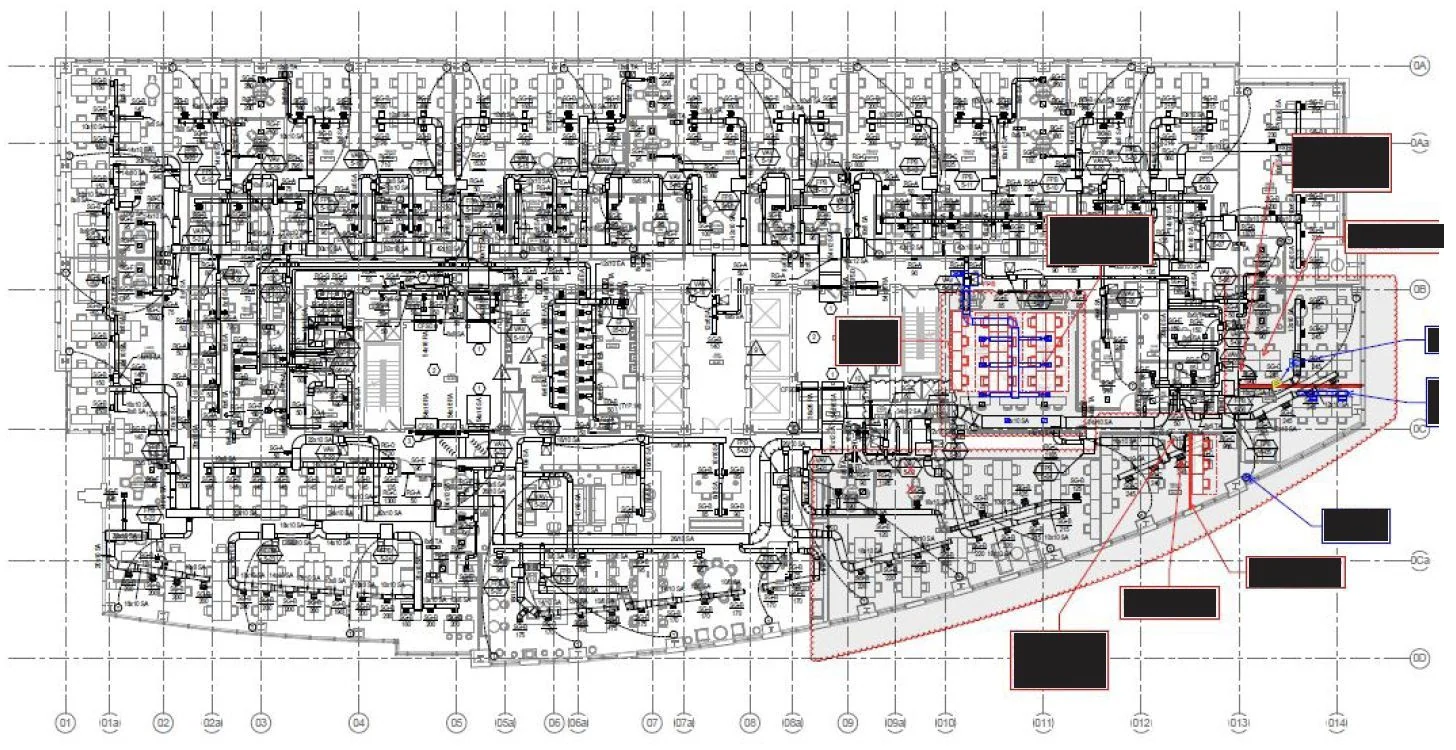
The assignment began as a portfolio problem: find locations where underperforming space could become a higher-revenue configuration without making the member experience worse. Data from real estate, product, leasing, engineering, and MEP was organized into a matrix across more than nine hundred locations. A custom Revit script flagged non-revenue space over-allocated relative to offices; the matrix identified where conversion was feasible; an operational playbook governed furniture, materials, finishes, electrical, ventilation, accessibility, and recurring building conditions. That sequence initiated more than two hundred conversions across offices ranging from two-person suites to 150-person floor plates. The playbook was the product. It let distributed teams make consistent decisions while preserving the cases that truly required local judgment, and it reduced the need to solve the same problem from zero in every building.


By the numbers
- 900+ locations analyzed
- 200+ conversions initiated
- 2–150 person floor plates
Artifacts that carry the case
- Portfolio opportunity matrix
- Custom Revit analysis
- Operational conversion playbook
See the portfolio
Cross-department data made underperformance and viable conversion opportunities visible at the same scale.
Encode the repeatable
Recurring MEP, material, accessibility, furniture, and amenity decisions became a system another team could own.
Protect the exception
Standardization absorbed the common conditions so local judgment could focus on what was actually unique.