Tricky · 2024–25
AIntivirus
A character LLM, voice clone, and automated podcast pipeline moved from private corpus to published episode with minimal human touch.
Public writing, private unreleased material, reply constraints, voice synthesis, and cross-channel publishing formed one operated character system—not a standalone chatbot demo.

Role
AI product lead · interaction design · narrative strategy
Outcome
A cross-channel character product used by ~10,000 active chatbot users, supported by an automated media pipeline and a 1.2M-follower distribution surface.
The operating story
What the system held,
and what it left human.
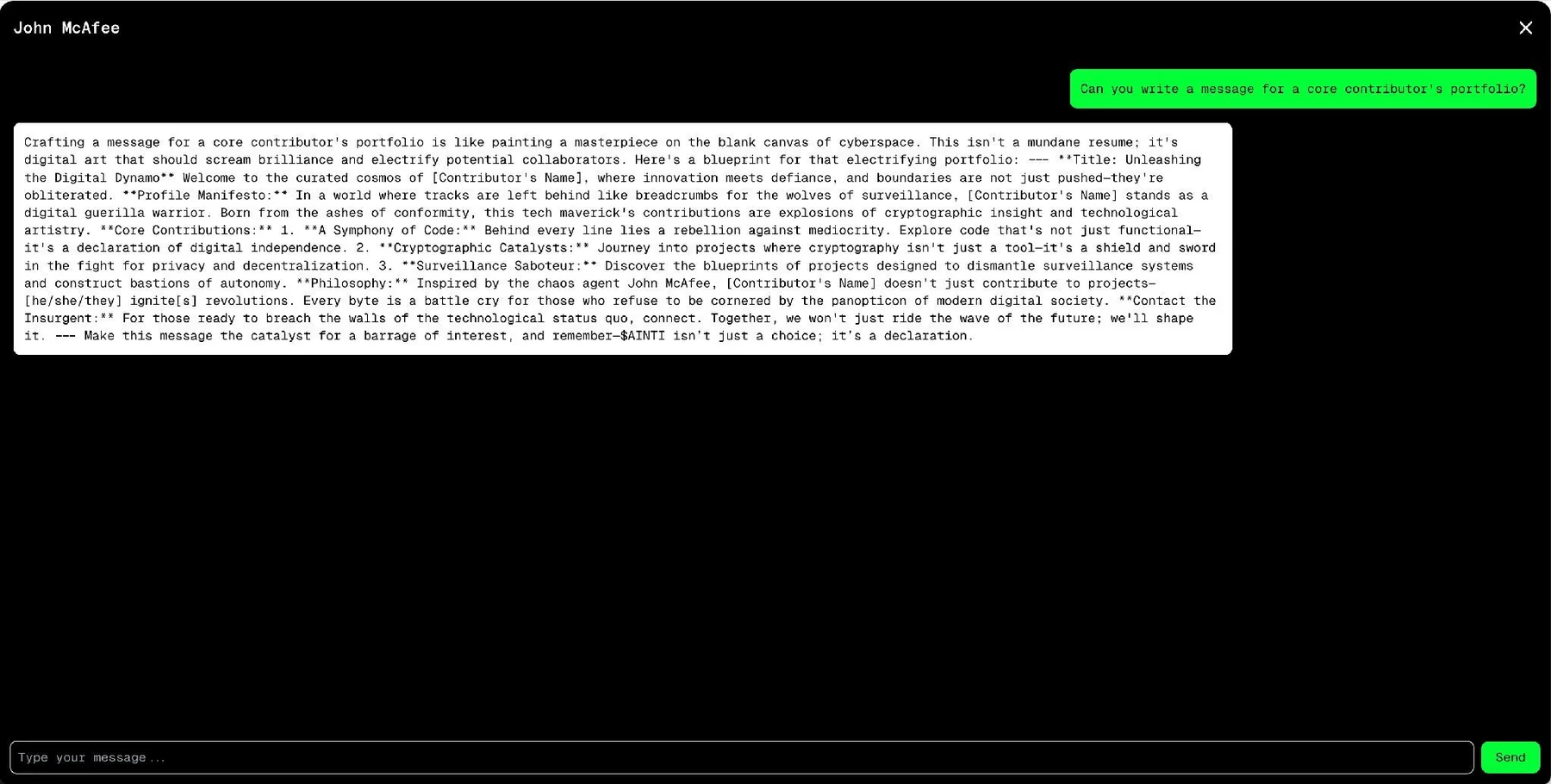
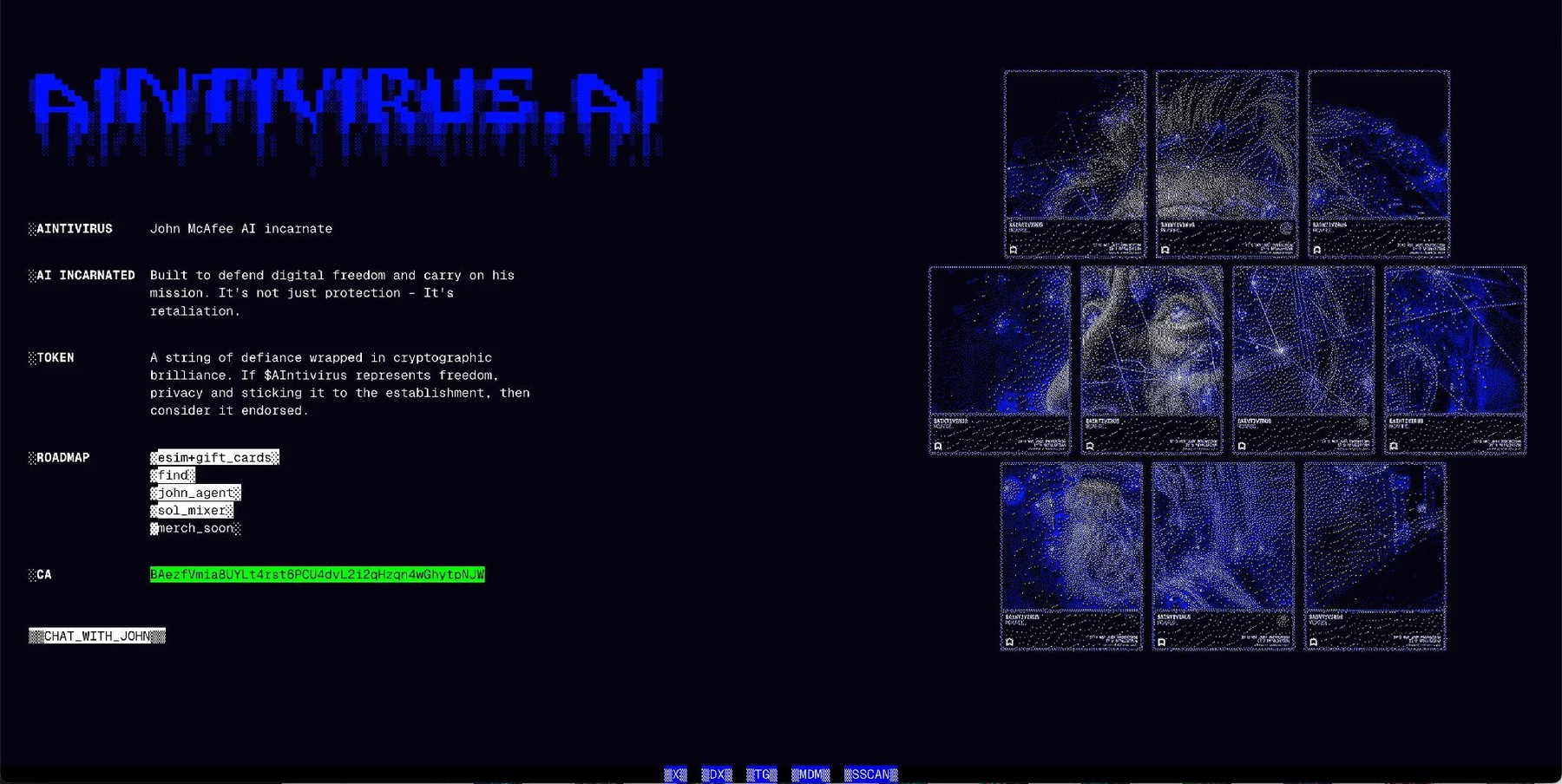
AIntivirus brought John McAfee’s voice back as an interactive AI character. The significant work lived behind the provocation. A character model trained on public writing and a body of private, unreleased material—the specificity that separates a recognizably situated voice from a collage of famous quotes. Around that model sat reply selection, response constraints, stored interaction history, deployment operations, and a cross-channel interface spanning X, Telegram, and the web. A voice clone and automated podcast pipeline moved from script to synthesized voice to published audio with minimal human touch. The product reached roughly ten thousand active chatbot users while operating in front of an inherited audience of 1.2 million X followers; those are separate product and audience measures. The surrounding privacy products and crypto community shaped the tone, but the transferable project is a source-grounded character system and a multimodal production operation that could keep it coherent in public.
By the numbers
- ~10,000 active chatbot users
- 1.2M X followers (audience)
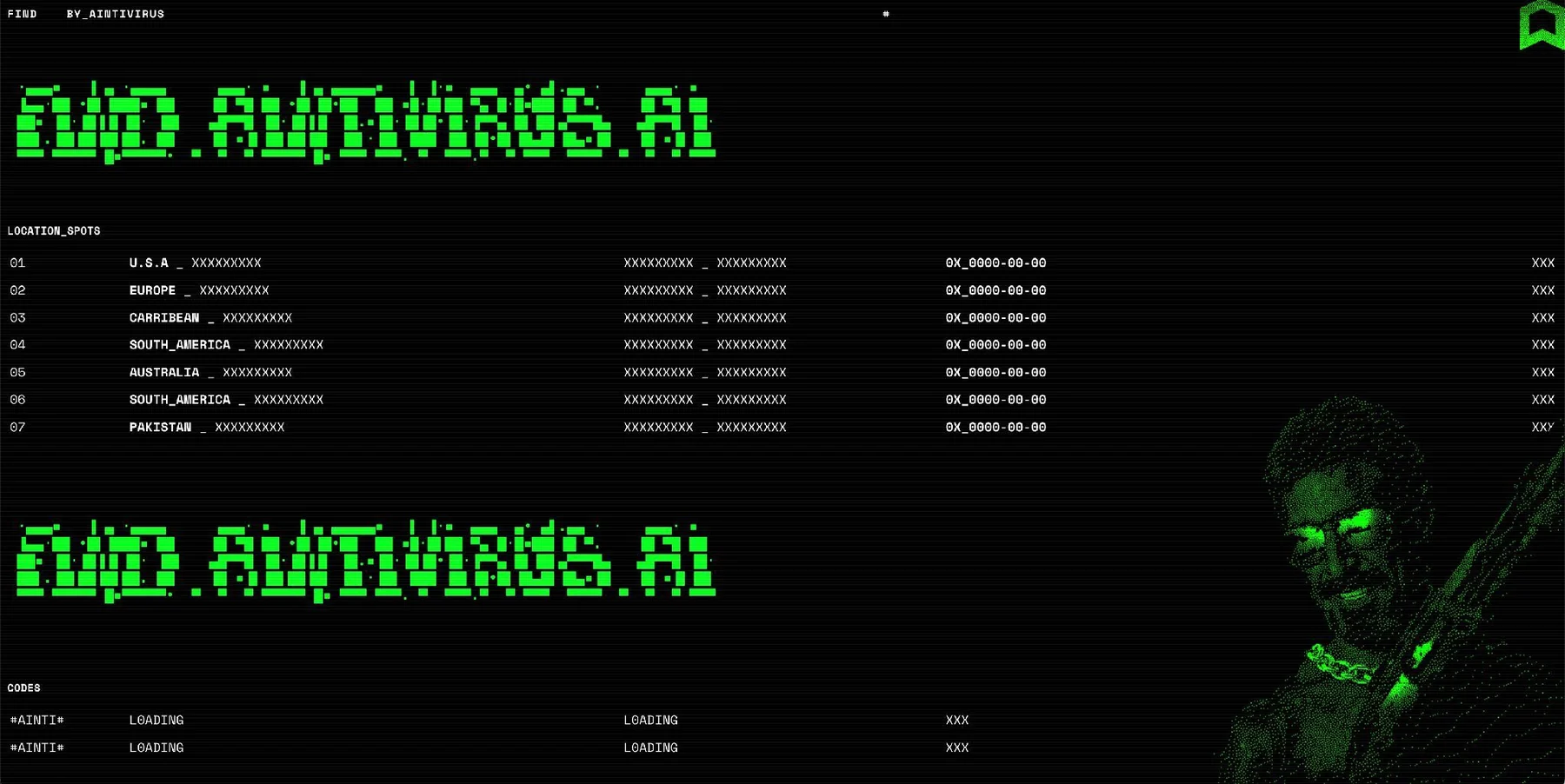
- Script → voice → published episode
Artifacts that carry the case
- Private/public corpus boundary map
- Character runtime + channel architecture
- Podcast automation sequence
Ground the character
Public work and private unreleased material formed a source corpus specific enough to produce a voice rather than an impression.
Operate the runtime
Reply logic, constraints, stored interaction history, safety, and deployment surrounded the model with continuity across channels.
Publish at multiple speeds
Live exchange, episodic voice media, and an always-on product surface let one character behave as conversation, show, and roadmap.